

When it comes to writing scripts, whether for movies, television, or digital media, choosing the right font is crucial for readability and industry standards. Fonts help set the tone and structure of your work, and selecting the appropriate type can elevate your script’s professionalism.
In this guide, we’ll explore the most commonly used fonts for scripts, their historical significance, and the best options available for various types of writing.
The Importance of Script Fonts
Choosing the right font for your script can have a significant impact on its readability and professionalism. A good script font is legible, consistent, and reflects the tone of the writing. In the industry, script fonts are designed to follow a specific format to ensure the smooth flow of dialogue, action, and scene descriptions. The font you choose can also affect the page count, which is critical in the film and television industry, where one page is typically equivalent to one minute of screen time.
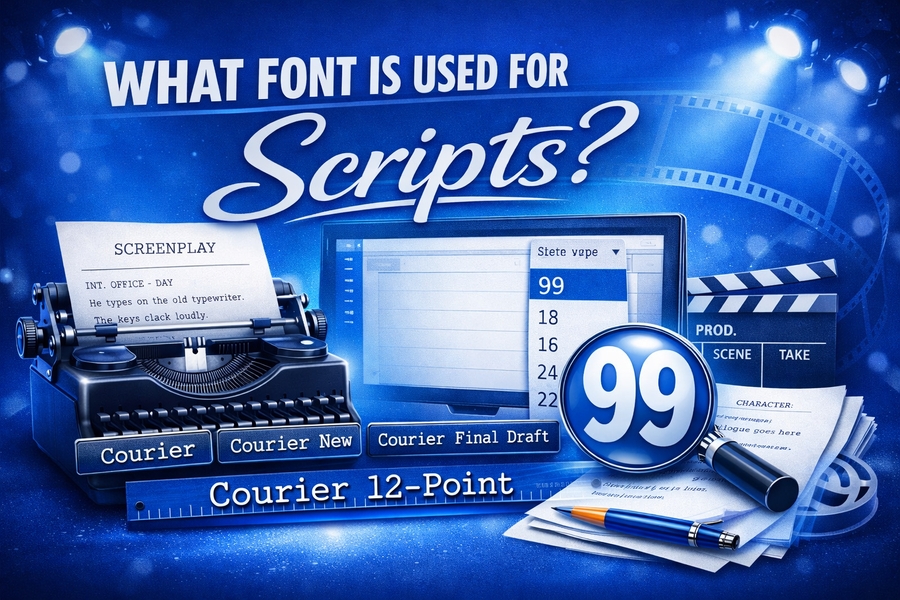
One of the most well-known and widely used fonts in screenwriting is Courier. This monospaced font has been the industry standard for decades. Its design ensures uniformity, with each character taking up the same amount of space, which helps in precise formatting. You can find more information on how to choose the best font for your project through various resources like the invisible text generator.
Script fonts like Courier make it easier for producers, directors, and actors to read the script without confusion. It also helps to maintain the required formatting for script submissions, which is a critical part of ensuring that your script meets industry standards. Using an appropriate script font ensures that your work is ready for professional presentation.
The Role of Script Fonts in Screenplays
For screenwriters, the font they choose is vital for conveying their vision in a readable format. A screenplay that uses a non-standard font may confuse readers and may not comply with formatting guidelines. Courier, for instance, is the default font used by most screenplay software because it’s easy to read and keeps the script within a specific length, which is vital for production scheduling.
Screenplay fonts, specifically Courier, have been in use for decades due to their practical benefits. The monospaced design ensures uniformity across all text, meaning each character occupies the same amount of space. This consistency helps producers and actors gauge the timing of scenes, as a standard page length (around 250 words) typically corresponds to one minute of screen time.
Choosing the right font is essential when writing for television, films, or digital content. If you’re curious about screenwriting tools that help with formatting, you can refer to guides like how to make invisible text, which offers unique tips for creative expression. Selecting a proper script font enhances the reading experience and helps maintain the desired structure throughout the script.
Popular Fonts for Screenplays
When it comes to screenplays, the most common and widely accepted font is Courier. This font has a long-standing history in the industry, dating back to the early days of typewriters. Its monospaced structure ensures that each character occupies the same amount of space, providing consistency across the script. This uniformity is crucial when estimating the duration of scenes, as one page of a screenplay typically corresponds to one minute of screen time.
In addition to Courier, several other script fonts are used for various types of writing. These include fonts like Courier New, which is a more modern take on the classic Courier font. It provides the same benefits while offering a slightly more polished look. Times New Roman is also occasionally used, especially in formal documents, though it is less common for screenplays.
For those writing scripts in a more creative field, there are also many stylish fonts to choose from. Fonts like Zapfino or Brush Script are used for more artistic projects, but they may not adhere to the traditional screenplay formatting guidelines. If you need help with creative text, tools like the invisible text generator can assist in generating unique and creative fonts for personal or digital projects.
Why Courier Is the Standard Font for Scripts
Courier is the most recognized and standard font used for scripts in the film and television industry. This font is the go-to option for screenwriters due to its unique monospacing feature, which ensures that every character occupies the same width. This uniformity is essential for maintaining consistent formatting and makes it easier for industry professionals to read and evaluate scripts.
The use of Courier in screenwriting ensures a high level of professionalism and ensures that the script is formatted correctly for submission. The font’s practicality lies in its ability to maintain standard page lengths, making it easier for producers and directors to gauge the timing of scenes. One page of a screenplay written in Courier generally corresponds to one minute of screen time.
When formatting your script, it’s essential to use Courier or a similar monospaced font to ensure your script adheres to industry standards. If you’re unsure about formatting, you can refer to additional resources, such as how to type invisible text, for creative tips and guidelines on presenting your work effectively.
The Evolution of Script Fonts
Script fonts have evolved significantly over the years. Early screenplays were typed on manual typewriters, which led to the widespread adoption of Courier. This font became the industry standard because it was easy to read and perfectly suited to the limitations of typewriters. Over time, as technology advanced, digital screenwriting software such as Final Draft and Celtx allowed for greater flexibility in font choices. However, Courier has remained the dominant font in professional screenwriting due to its practical benefits.
In addition to Courier, other fonts have been developed to cater to different types of writing. For instance, Courier New is a newer version of the original Courier font, providing a more refined and modern appearance while maintaining the same monospaced structure. For scripts that require a more stylized or creative appearance, fonts like Zapfino or Brush Script may be used, though these are less common for professional screenwriting.
If you’re working on a personal or non-professional project, you might want to experiment with different fonts to convey the right mood or tone for your script. Tools like how to do cursed text can help generate unique and quirky text designs that stand out from the typical script fonts.
What Is the Best Font for Handwritten Scripts?
When it comes to handwritten scripts, many screenwriters and designers prefer to use fonts that mimic cursive or calligraphy. These fonts can add a personal touch to the script, providing an organic, hand-crafted look. Popular options include Brush Script and Zapfino, which are commonly used in handwritten invitations, announcements, and other creative works.
While these fonts are beautiful, they may not be suitable for professional screenplay writing due to readability issues and formatting concerns. If you’re creating a handwritten script or project for personal use, these fonts can provide a unique flair to your work. However, for professional scripts, sticking to Courier or Courier New is essential to ensure consistency and readability.
If you’re exploring creative possibilities with handwritten text, you might want to experiment with tools like the how to make invisible text on Discord, which can add a mysterious touch to your written content.
Conclusion:
Choosing the right font for your script is an important decision that impacts both its readability and its professional appeal. While Courier remains the standard for most screenplays, there are many other options available depending on your project’s needs. Whether you’re writing for film, television, or a creative personal project, selecting the appropriate font is key to ensuring your script is well-received by industry professionals.
Remember, fonts like Courier New offer a more modern take on the classic, while fonts like Zapfino and Brush Script provide artistic flair for handwritten or personal projects. If you’re still unsure about the best font to use, consider referring to guides like the invisible text generator to gain insights into formatting and styling your script effectively.
By following the correct guidelines and understanding the purpose behind your chosen font, you can ensure that your script looks professional and is ready for submission.